



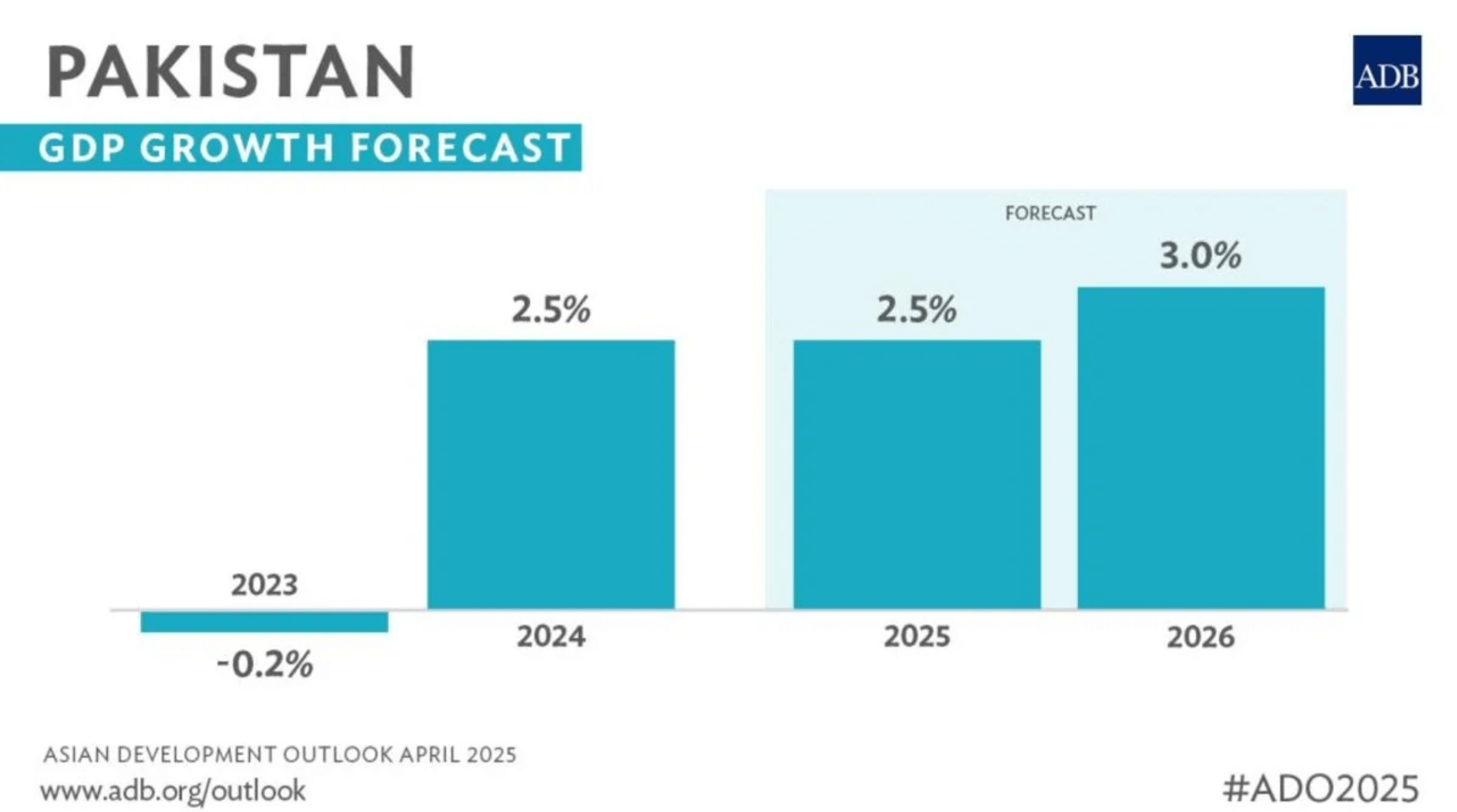
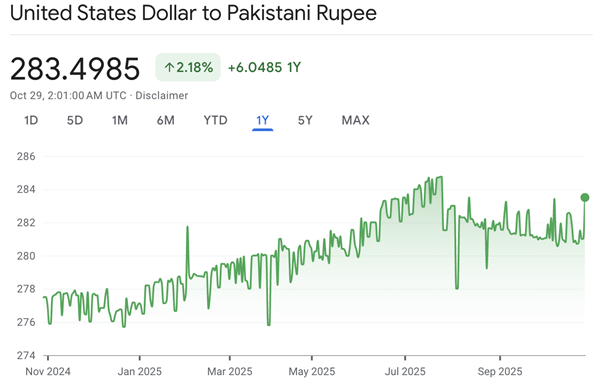
After years of sharp volatility, many Pakistanis are asking a surprising question in 2025: why is the dollar relatively stable against the Pakistani Rupee?
Given the past spikes in USD to PKR, this period of calm feels unusual — but it is not accidental.
This article explains why the dollar is not surging like it did in 2023, what has changed in Pakistan’s economic fundamentals, and whether this stability is likely to continue.
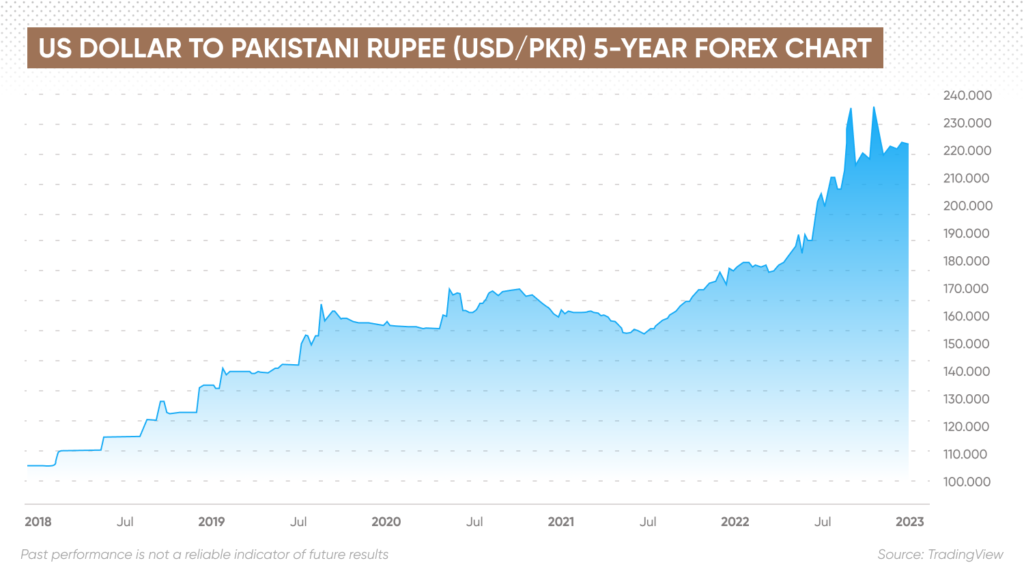
A Quick Look Back: What Happened in 2023?
To understand today’s stability, it helps to remember why the dollar surged earlier.
In 2023, Pakistan faced:
- Critically low foreign exchange reserves
- Large current account deficits
- Import payment backlogs
- Uncertainty around IMF support
- Weak market confidence
These factors created a perfect storm, pushing the dollar sharply higher in a short period.
Key Reasons Behind Dollar Stability in Pakistan in 2025
1- Improvement in Current Account Balance
One of the biggest changes in 2025 is Pakistan’s external balance.
- Imports were brought under control
- Energy payments stabilized
- Remittances improved
As a result, Pakistan recorded its first current account surplus in over a decade, significantly reducing the need for emergency dollar buying.
This alone removed much of the pressure that previously drove USD to PKR spikes.
2- IMF Program Restored Market Confidence
Pakistan’s active engagement with the International Monetary Fund under the Extended Fund Facility (EFF) has played a crucial role.
IMF reviews:
- Unlock external financing
- Signal policy discipline
- Reduce default fears
Even before funds are disbursed, confidence improves, which stabilizes the currency.
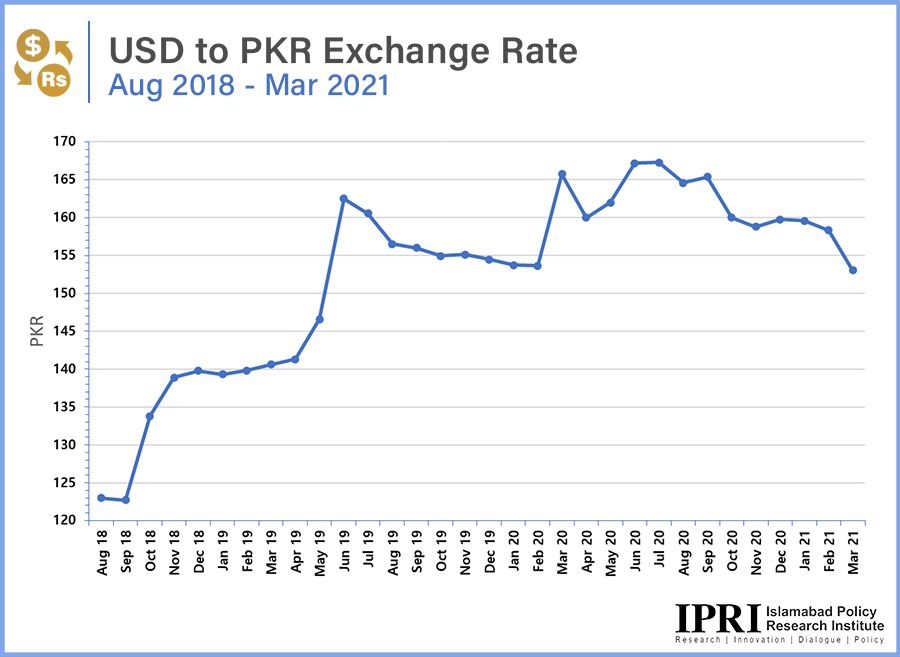
3- Stronger Foreign Exchange Reserves
Foreign exchange reserves are the market’s confidence indicator.
In 2025:
- Reserves improved due to IMF inflows
- Import pressure eased
- Panic buying reduced
With better reserves, the State Bank of Pakistan gained more flexibility to manage liquidity and expectations.
4- Controlled Inflation & Policy Alignment
While inflation remains a challenge, it has become more predictable compared to earlier years.
In addition:
- Monetary policy signals are clearer
- Interest rate decisions are more coordinated
- Sudden policy reversals are less frequent
This consistency helps markets price the rupee more rationally.
5- Shift Toward Digital Remittances
A less visible but highly impactful factor is how dollars enter Pakistan.
- Increased use of digital remittance platforms
- Incentives for formal channels
- Reduced reliance on informal systems
These shifts improved official dollar supply, helping narrow the gap between interbank and open market rates.
Why Stability Does Not Mean PKR Is “Strong”
It’s important to clarify one thing:
Stability does not equal appreciation.
In 2025:
- The PKR is not rapidly strengthening
- But it is also not collapsing
This reflects a balance between structural weaknesses and improved external management.
Understanding what affects the Dollar to PKR exchange rate helps explain why the rupee can remain stable even without strong growth momentum.
Can This Stability Continue?
Dollar stability depends on:
- Continued IMF program discipline
- Managing import growth
- Sustaining remittance inflows
- Avoiding major political or external shocks
If these conditions hold, sharp spikes like 2023 become less likely, though gradual movement is always possible.
What This Means for Businesses & Individuals
For businesses:
- Easier cost planning
- Reduced FX risk
- More predictable import pricing
For individuals:
- Less panic buying of dollars
- Lower inflation expectations
- Better financial planning
Stability reduces uncertainty — even if it doesn’t make the rupee stronger overnight.
Final Thoughts
The dollar’s stability in Pakistan in 2025 is the result of structural correction, policy alignment, and restored confidence, not chance.
While challenges remain, the factors driving extreme volatility in earlier years have meaningfully changed.
That’s why today’s USD to PKR behavior looks different — and why understanding context matters more than watching daily price ticks.
👉 For deeper insight into the forces behind USD to PKR movements, read our detailed guide on what affects the Dollar to PKR exchange rate.
Why is the dollar stable in Pakistan in 2025?
The dollar is relatively stable in Pakistan in 2025 due to improved current account conditions, stronger FX reserves supported by external inflows, better market confidence, steadier policy signals, and improved remittance flows through formal channels.
Is USD to PKR stability the same as PKR getting stronger?
No. Stability means the exchange rate is not swinging sharply. The PKR can remain stable without appreciating if improvements in reserves and external balances offset inflation and other structural pressures.
How does the IMF program affect the dollar rate in Pakistan?
An active IMF program can improve confidence by signaling policy discipline and unlocking financing, which supports FX reserves and reduces panic demand. Market sentiment often improves around IMF reviews and disbursements, helping stabilize USD to PKR.
What role do foreign exchange reserves play in USD to PKR stability?
Higher FX reserves reduce fears of dollar shortages and allow smoother market functioning. When reserves improve, speculation and panic buying tend to decline, which helps keep USD to PKR more stable.
How do remittances influence the dollar rate in Pakistan?
Remittances increase the supply of dollars in official channels, supporting reserves and easing pressure on the exchange rate. Stronger formal remittance flows can narrow the gap between interbank and open market rates and improve stability.
Can the dollar become volatile again in Pakistan?
Yes. Volatility can return if external shocks occur or if fundamentals weaken, such as a widening current account deficit, falling reserves, policy uncertainty, import pressure, or a decline in confidence and remittance inflows.
Why did USD to PKR spike in 2023 compared to 2025?
In 2023, Pakistan faced lower reserves, higher external payment pressure, and weaker confidence, which increased dollar demand and speculation. In 2025, improved external balance, better reserves, and steadier policy signals have reduced those pressures, leading to relative stability.
How can I track USD to PKR stability trends without overreacting to daily moves?
Track the broader trend over weeks or months, watch indicators like reserves, current account position, and policy announcements, and compare interbank vs open market spreads. Avoid making decisions based only on single-day moves or headlines.



Because exchange companies react faster to retail pressure, the open market rate often moves before the interbank rate during periods of stress or high demand, even during periods of overall stability.